
Key Takeaways
- Oat milk is a popular dairy-free option with a creamy texture and mild flavor that works well in many recipes.
- Fortified oat milk can provide important nutrients like calcium, vitamin D, and vitamin B12.
- Unsweetened varieties are often a better choice because some oat milk products contain added sugars.
- Oat milk contains small amounts of fiber but is generally lower in protein than dairy milk and soy milk.
- Choosing the right milk alternative depends on personal health goals, dietary needs, and nutritional preferences.
- Oat milk can be part of a balanced lifestyle when combined with nutrient-rich foods and healthy daily habits.
- Reading nutrition labels helps you select an oat milk option that best fits your needs.
Plant-based milk options have become increasingly popular as more people look for alternatives to traditional dairy products. Among the many choices available, oat milk has quickly become one of the most common options found in grocery stores, coffee shops, and restaurants. Its creamy texture, mild flavor, and ability to blend well with coffee and recipes have made it a favorite for many consumers.
But is oat milk actually good for you? The answer depends on your health goals, dietary needs, and the type of oat milk you choose. Some varieties provide important nutrients, while others may contain added sugar or fewer beneficial ingredients than expected.
Understanding oat milk’s nutrition, benefits, and potential drawbacks can help you decide whether it is the right choice for your lifestyle.
What Is Oat Milk?
Oat milk is a plant-based beverage made by blending oats with water and then filtering out the solid pieces. The process creates a smooth drink with a naturally creamy consistency.
Unlike cow’s milk, oat milk does not come from an animal source, making it a popular choice among people following vegan diets or those who avoid dairy.
Many commercial oat milk products also include added vitamins and minerals to improve their nutritional value. These may include calcium, vitamin D, and vitamin B12, which are nutrients commonly found in dairy milk.
The exact nutrition profile depends on the brand and whether the product is sweetened, unsweetened, fortified, or flavored.
Common ingredients in oat milk include:
- Water
- Oats
- Natural oils
- Vitamins and minerals
- Stabilizers or thickeners
- Natural flavors
Oat Milk Nutrition Facts
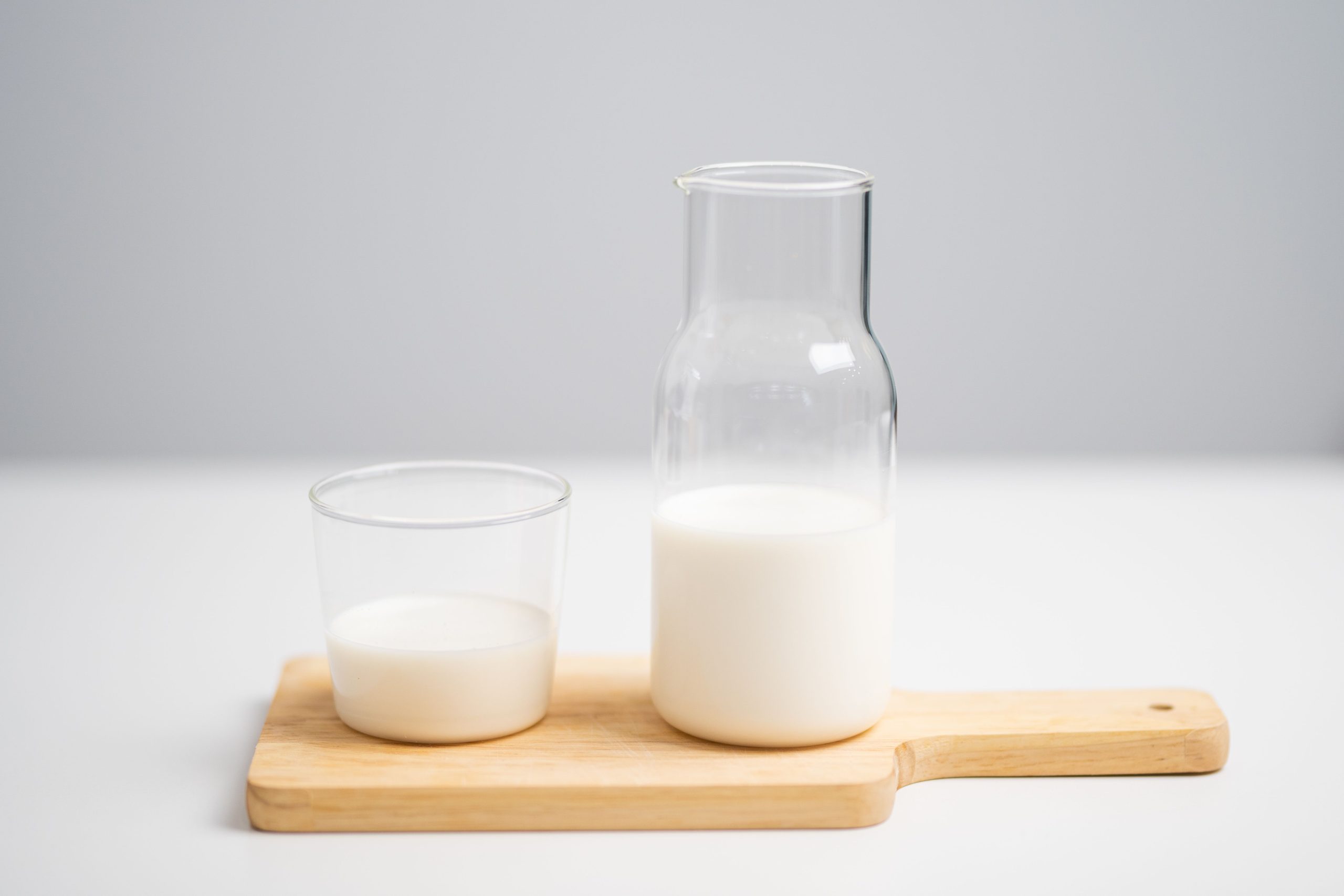
The nutrition content of oat milk varies by brand, but a typical one-cup serving may contain:
- About 80 to 140 calories
- 2 to 5 grams of fat
- 10 to 20 grams of carbohydrates
- 1 to 5 grams of protein
- Added calcium and vitamin D in fortified versions
Compared with cow’s milk, oat milk usually contains fewer calories than whole milk but more carbohydrates than some other plant-based options.
Because different products vary widely, checking the nutrition label is important.
A simple ingredient list with minimal added sugar is often a better choice for everyday use.
Benefits of Oat Milk
Oat milk can provide several health benefits when included as part of a balanced diet.
While it is not a miracle food, it can be a nutritious option depending on your personal needs.
1. It Is Naturally Dairy-Free
One of the biggest benefits of oat milk is that it does not contain dairy.
This makes it suitable for people who are lactose intolerant, allergic to milk proteins, or choosing to reduce animal products in their diet.
Many people experience digestive discomfort after consuming dairy products. Switching to oat milk may help those individuals enjoy a creamy beverage without the same concerns.
However, people with severe allergies should always check labels because some products may be processed in facilities that handle common allergens.
2. Oat Milk Contains Fiber
Unlike many other plant-based milks, oat milk may contain small amounts of fiber because it comes from whole oats.
Oats naturally contain beta-glucan, a type of soluble fiber that has been studied for its role in supporting heart health and healthy cholesterol levels.
Although the amount of fiber in one serving of oat milk is usually much lower than eating a bowl of oatmeal, it can still contribute small amounts to your overall daily intake.
Fiber is important because it supports digestion and helps you feel satisfied after meals.
3. It May Support Heart Health
Oats are well known for containing beta-glucan fiber, which may help support healthy cholesterol levels when consumed regularly.
Choosing oat milk as part of an overall nutritious eating pattern may contribute to heart health, especially when combined with other healthy habits.
However, drinking oat milk alone will not prevent heart disease.
Heart health depends on many factors, including physical activity, sleep, stress management, and eating a variety of nutrient-rich foods.
4. It Has a Creamy Texture
Many people choose oat milk because of its taste and texture.
Compared with some other plant-based milks, oat milk has a naturally creamy consistency that works well in coffee, smoothies, cereal, and cooking.
This texture makes it an easy replacement for dairy milk in many recipes.
For people who dislike the thin texture of some plant-based options, oat milk may feel more satisfying.
5. It Can Be Fortified With Important Nutrients
Many oat milk products are fortified with vitamins and minerals.
Fortified varieties may contain:
- Calcium for bone health
- Vitamin D for calcium absorption
- Vitamin B12 for nerve function and red blood cell production
- Vitamin A for immune and vision support
Because plant-based milks do not naturally contain the same nutrients as dairy milk, choosing a fortified product can help improve nutritional value.
Oat Milk vs. Other Milk Options
There are many milk alternatives available today. Each has different strengths and weaknesses.
Oat Milk vs. Cow’s Milk
Cow’s milk generally contains more protein than oat milk.
One cup of cow’s milk usually provides around 8 grams of protein, while oat milk often contains only a few grams or less.
However, oat milk may be preferred by people avoiding dairy or looking for plant-based options.
Oat Milk vs. Almond Milk
Almond milk is often lower in calories and carbohydrates compared with oat milk.
However, oat milk usually has a creamier texture and may work better for coffee drinks and cooking.
Oat Milk vs. Soy Milk
Soy milk is often higher in protein and may be one of the closest plant-based alternatives to dairy milk nutritionally.
Oat milk is typically chosen more for taste, texture, and dietary preferences.
The best option depends on your personal goals.
Things to Consider Before Drinking Oat Milk

Although oat milk can be a healthy choice, it is not perfect for everyone.
Understanding potential drawbacks can help you choose wisely.
Watch for Added Sugar
Some oat milk products contain added sugar, especially flavored varieties.
Regularly drinking sweetened beverages may increase your overall sugar intake without providing much nutritional benefit.
For everyday use, unsweetened oat milk is often a better option.
Always check the nutrition label.
Look for:
- Low added sugar
- Simple ingredients
- Fortified nutrients
- Minimal unnecessary additives
Oat Milk May Be Lower in Protein
Protein is important for muscle maintenance, immune function, and overall health.
Because oat milk usually contains less protein than dairy milk or soy milk, people who rely heavily on milk alternatives may need to get protein from other foods.
Good protein sources include:
- Eggs
- Fish
- Beans
- Lentils
- Chicken
- Greek yogurt
- Tofu
A balanced diet should include enough protein throughout the day.
People With Gluten Sensitivity Should Be Careful
Oats are naturally gluten-free, but they may become contaminated during processing.
People with celiac disease or severe gluten sensitivity should choose oat milk labeled gluten-free.
Reading labels carefully helps reduce the risk of unwanted exposure.
Oat Milk and Weight Management
Some people wonder whether oat milk is good for weight loss.
The answer depends on how it fits into your overall eating habits.
Unsweetened oat milk can be included in a balanced diet, but drinking large amounts of higher-calorie varieties may add extra calories.
Small changes, such as choosing unsweetened options and using reasonable portions, can support healthier habits.
When thinking about how to improve your overall health, it is important to focus on your entire lifestyle rather than relying on one food or drink to create results.
Healthy weight management involves:
- Balanced meals
- Regular movement
- Adequate sleep
- Stress management
- Consistent habits
How to Use Oat Milk in Your Daily Routine
Oat milk is a flexible ingredient that can be used in many ways.
You can enjoy it:
- In coffee
- With cereal
- In smoothies
- In oatmeal
- In baking recipes
- In sauces and soups
Its mild flavor makes it easy to substitute for traditional milk in many dishes.
For people transitioning away from dairy, oat milk can make the change easier because it maintains a familiar creamy texture.
Choosing the Healthiest Oat Milk
Not all oat milk products are the same.
When shopping, compare nutrition labels and ingredients.
A healthier option often includes:
- Unsweetened varieties
- Added calcium and vitamin D
- Minimal added ingredients
- No unnecessary sweeteners
Some products are designed specifically for coffee and may contain added oils to create a richer texture.
These can be enjoyable but may have different nutrition profiles.
Can Children Drink Oat Milk?
Children can drink oat milk, but parents should consider their nutritional needs.
Young children require adequate calories, protein, calcium, and other nutrients for growth and development.
Because oat milk is usually lower in protein than cow’s milk, it may not always be a direct nutritional replacement.
Parents should discuss milk alternatives with a pediatrician, especially for young children or children with dietary restrictions.
Environmental Benefits of Oat Milk
Many people choose oat milk because of environmental concerns.
Plant-based beverages generally require fewer natural resources compared with dairy production. Oat milk production may have a lower environmental impact related to greenhouse gas emissions and land use.
However, environmental impact depends on farming practices, transportation, packaging, and production methods.
Choosing sustainable foods is one part of making environmentally conscious decisions.
Common Questions About Oat Milk
Is oat milk healthier than regular milk?
It depends on your nutritional needs. Dairy milk usually contains more protein, while oat milk may be preferred by those avoiding dairy or seeking plant-based options.
Does oat milk have calcium?
Many oat milk products contain added calcium. Check the label to confirm.
Is oat milk good for coffee?
Yes. Many people enjoy oat milk in coffee because of its creamy texture and ability to blend well.
Can oat milk replace dairy milk?
It can replace dairy milk in many situations, but nutritional differences should be considered depending on your needs.
Final Thoughts
Oat milk can be a healthy and enjoyable addition to many diets. Its creamy texture, dairy-free formula, and potential nutritional benefits make it a popular choice among people looking for alternatives to traditional milk.
However, choosing the right product matters. Unsweetened, fortified oat milk can provide valuable nutrients, while heavily sweetened varieties may add unnecessary sugar. It is also important to remember that oat milk does not replace the need for a balanced diet filled with fruits, vegetables, protein sources, and whole foods.
Ultimately, the best milk choice depends on your health goals, dietary preferences, and nutritional needs. Whether you enjoy it in coffee, smoothies, cereal, or recipes, oat milk can be part of a healthy lifestyle when used as one piece of a larger approach to nutrition and wellness.