This article discusses essential questions that individuals should consider asking their dentist to ensure the best oral health care. In the journey towards maintaining optimal dental health, engaging with your dentist through well-thought-out questions is paramount. Understanding treatment options and oral health practices can significantly enhance your care. Often, patients overlook the potential benefits of clear communication with their dental professionals. By actively participating in your oral health journey, you can ensure personalized and effective care.
What are the available treatment options for my dental issues?
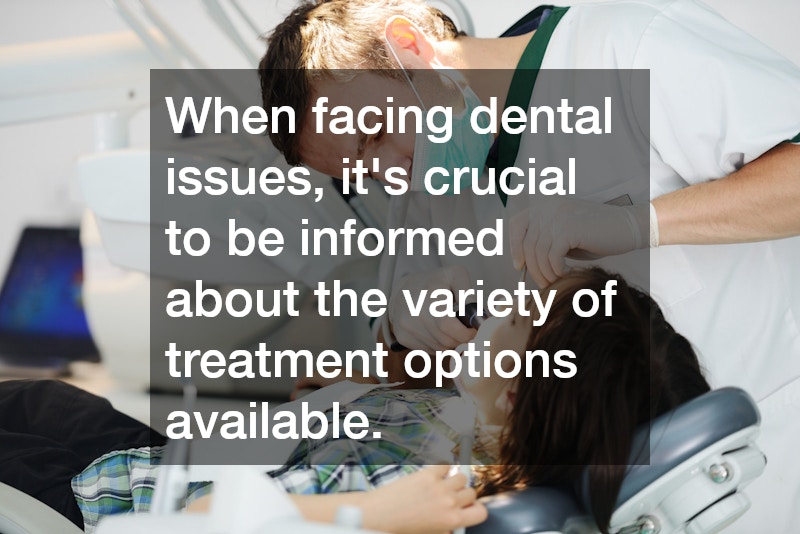
When facing dental issues, it’s crucial to be informed about the variety of treatment options available. Different conditions require specific approaches, and discussing these with your dentist is the first step. For example, dental cavities might be treated with fillings, while more severe decay could necessitate a root canal or crown. Transparency about these options helps patients make informed decisions based on efficiency, cost, and personal comfort. As dental technology advances, new treatments and less invasive options are frequently introduced.
It’s beneficial to understand both short-term and long-term treatment plans your dentist might suggest. Engaging in detailed discussions aids in weighing the pros and cons of each option. Consider asking about the latest innovations in dental care that could expedite healing or reduce discomfort. Remember, dentists tailor treatments to individual needs, making your inquiries vital for customized care. Clear communication empowers you to actively participate in decision-making regarding your dental health.
Additionally, discussing potential outcomes, side effects, and recovery times can prepare you for the road ahead. This knowledge assists in setting realistic expectations and planning. Empowered by this clarity, you can assess how these fit into your lifestyle and schedule. A thoughtful dialogue with your dentist can unearth even alternative therapies that might suit your preferences. Ultimately, asking about treatment options not only demystifies dental procedures but also nurtures a trust-based patient-dentist relationship.
How can I improve my oral hygiene at home?
Oral hygiene extends beyond the dental office, playing a pivotal role in maintaining health daily. Dentists can provide personalized advice to enhance home care routines. Inquiring about specific brushing techniques and recommended toothpaste can make significant differences. Flossing regularly and using an antiseptic mouthwash can address the areas missed by brushing alone. Many individuals also benefit from lifestyle adjustments, such as dietary changes, to bolster oral health.
Enhancing oral hygiene at home is often supported by introducing the right tools into your daily routine. Electric toothbrushes, for instance, have been shown to provide superior plaque control compared to manual brushing. Ask your dentist about the advantages of such modern tools and whether they are suitable for your needs. Additionally, exploring the benefits of water flossers and other gadgets can introduce effective cleaning methods. Integrating such tools can be transformative for your oral care regimen.
Understanding the influence of nutrition on dental health can also guide improvements in hygiene practices. Consuming nutrient-rich foods and minimizing sugar intake supports the integrity of teeth and gums. Asking for nutritional guidance can lead to profound changes in oral health outcomes. Ensuring you stay informed about proper oral hygiene techniques equips you with the knowledge needed to prevent dental issues. This proactive approach can dramatically reduce the need for extensive dental treatments.
What should I expect during my dental visits?
Knowing what to expect during a dental visit can alleviate anxiety and ensure a smooth experience. Dentists typically start with a comprehensive examination, which may include X-rays to assess underlying issues. Understanding the purpose of each procedure helps demystify the dental visit process. Routine cleanings are an essential part of these appointments, aimed at removing plaque and tartar. Additionally, your dentist may discuss any concerns found during the examination and suggest future care plans.
Communicating with your dentist about the steps of a check-up can clarify the purpose and benefit of each part of the visit. This understanding fosters peace of mind and trust in the dental team’s expertise. It’s also an opportunity to address any fears or discomforts you may have regarding dental procedures. In turn, this can lead to modifications in how care is administered to align with your comfort level. Maintaining an open dialogue can transform routine visits into informative and positive experiences.
Beyond the physical examination, dental visits provide an ideal setting to renew your awareness of oral health practices. Dentists can offer insights into recent advancements in dental science and preventive care tips. Additionally, understanding the frequency and scheduling of future appointments is crucial for continuous oral health monitoring. Ultimately, this anticipation builds confidence, ensuring that each visit is an opportunity for both patients and dentists to work collaboratively towards optimal dental health outcomes. With every appointment, you further cement the partnership in nurturing and safeguarding your smile.
Asking the right questions can empower patients to take control of their dental health and foster a better relationship with their dental care provider. An informed patient is better positioned to engage actively with treatment decisions. This empowerment leads to optimal health outcomes and satisfaction. Building an open, trusting relationship with your dentist ensures mutual respect and cooperation in crafting personalized care plans. Ultimately, addressing these essential questions paves the way for a proactive approach to oral health.