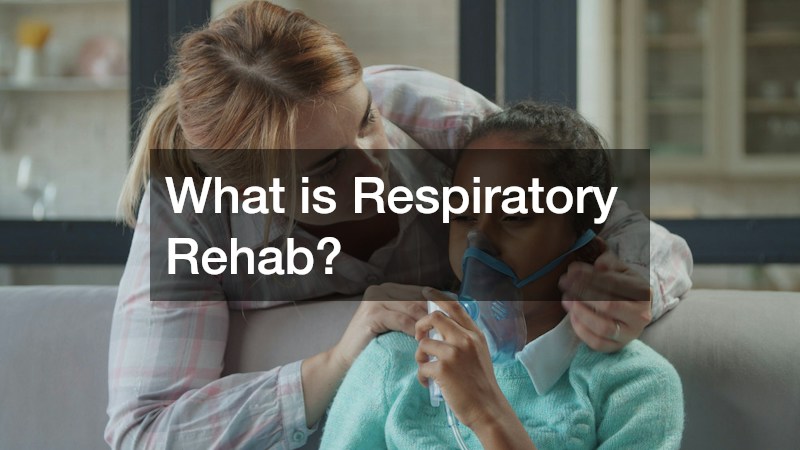
Respiratory rehab is a structured program of care for people with chronic respiratory conditions. It aims to improve the quality of life and overall well-being of individuals dealing with such disorders. Through a combination of exercise, education, and support, respiratory rehab can be vital in helping patients manage their conditions more effectively.
In addition to these components, respiratory rehabilitation often includes nutritional counseling to support patients in adopting healthier lifestyles. Counseling may cover dietary adjustments that can alleviate symptoms and improve lung function, while providing tailored strategies that align with other elements of the rehab program.
This holistic approach ensures that all aspects of the patient’s health are addressed, contributing to a more comprehensive management of their respiratory condition.
Understanding Respiratory Rehab
Respiratory rehab is a comprehensive intervention designed for people with pulmonary disease who are symptomatic and have decreased daily life activities. This program is customized to meet individual health needs, promote physical and psychological well-being, and encourage adherence to therapy. At its core, respiratory rehab seeks to reduce symptoms, optimize functional status, and increase participation and independence in physical and social activities.
Patients with chronic obstructive pulmonary disease (COPD), interstitial lung disease, cystic fibrosis, and other chronic lung diseases can greatly benefit from respiratory rehab. By participating in these programs, individuals can improve exercise tolerance, lessen symptoms such as breathlessness, and enhance their emotional and mental health. As a result, respiratory rehab plays an essential role in managing pulmonary conditions.
The primary components of a respiratory rehab program typically include patient assessment, exercise training, education, nutritional advice, and psychological support. Patients work closely with a team of healthcare professionals, including pulmonologists, physiotherapists, dietitians, and occupational therapists, to develop a personalized rehabilitation plan. This multidisciplinary approach ensures comprehensive care targeted at the unique needs of each patient.
Components and Benefits of Respiratory Rehab
Exercise training is a cornerstone of respiratory rehab, designed to increase respiratory muscle strength and endurance. Regular exercises, such as walking, cycling, and strength training, improve cardiovascular fitness and enhance the efficiency of breathing. As a result, patients often experience a reduction in symptoms and an increase in their ability to perform daily tasks with ease.
Education is another critical element of respiratory rehab. Patients learn about lung function, breathing techniques, medication management, and how to handle exacerbations. By empowering patients with knowledge, respiratory rehab enables them to take control of their condition, leading to fewer hospital visits and a better quality of life.
Psychosocial support addresses the emotional and psychological challenges associated with chronic respiratory conditions. Depression and anxiety are common among individuals with lung diseases, and addressing these issues is integral to a successful rehabilitation journey. Support groups, counseling, and stress management techniques help patients cope with the mental load of their condition, further contributing to their overall well-being.
The Impact of Respiratory Rehab on Patients
One significant impact of respiratory rehab is the improvement in patients’ physical conditions. Consistent participation in an exercise regimen can lead to strengthened respiratory muscles, increased endurance, and improved overall physical fitness. Patients often report being able to partake in physical and social activities that they previously found challenging.
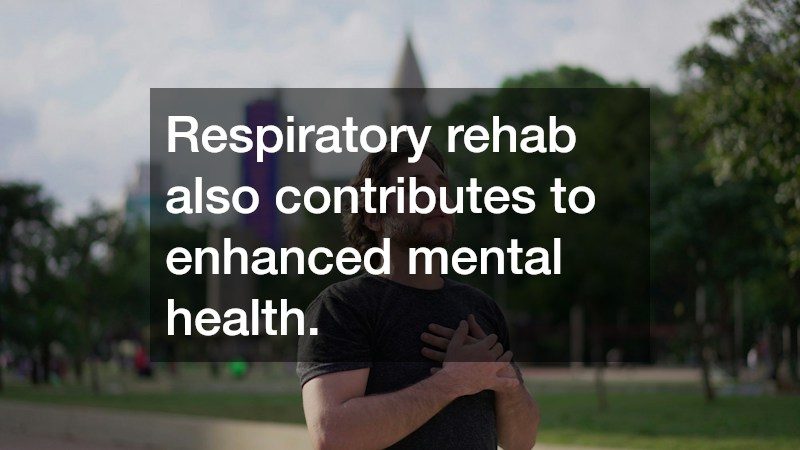
Respiratory rehab also contributes to enhanced mental health. Learning to manage a chronic respiratory condition through education and support reduces anxiety and depression, frequently associated with these diseases. The knowledge gained from education and support systems fosters a greater sense of control, leading to improved mental resilience.
Respiratory rehab effectively reduces hospital admissions and emergency room visits. As patients become adept at managing their symptoms and conditions, they experience fewer exacerbations, which translates to less frequent hospital interventions. This not only improves the individual’s health outcomes but also reduces healthcare costs.
Respiratory rehab is a critical component in the management of chronic respiratory conditions. By enhancing physical capability, imparting knowledge, and providing psychological support, respiratory rehabilitation helps patients lead a more active and fulfilling life. As awareness and access to these programs continue to grow, more individuals can benefit from the substantial improvements in health and quality of life offered by respiratory rehab.
Incorporating respiratory rehab into the standard care for chronic respiratory diseases ensures a holistic approach that addresses both physical and psychological needs. With tailored programs and a dedicated healthcare team, patients can navigate their challenges while maximizing their potential for a healthier future. Respiratory rehab remains a cornerstone in bridging the gap between chronic illness and active, empowered living.