In the rapidly evolving field of healthcare, numerous services have emerged to address the specific needs of patients. From aesthetic treatments to critical dental surgeries, medical advancements have paved the way for significant improvements in patient care. As medical technology continues to advance, new treatment options become available, tailored to enhance both the quality of life and the effectiveness of care provided. Clinics and healthcare providers are now more equipped than ever to offer solutions that are both innovative and patient-centric. This article explores some of these pioneering treatment options—covering various disciplines from neuromodulators and oral surgeries to medical metabolic support, imaging solutions, and beyond. By examining each area, we gain an understanding of how these services contribute to achieving optimal health outcomes. Through a combination of technological integration and specialized healthcare practices, patients now experience unprecedented access to effective medical solutions.
Targeted Aesthetic and Therapeutic Neuromodulator Treatments
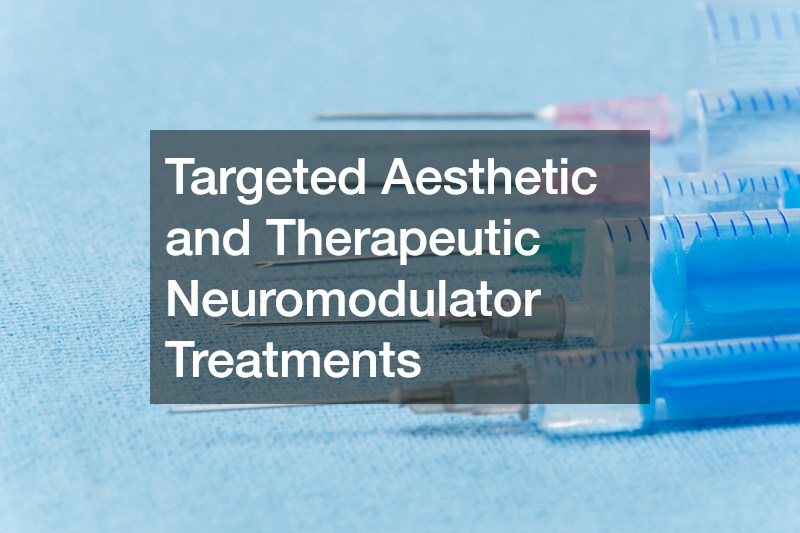
The use of neuromodulators has revolutionized aesthetics, offering targeted treatments in injectable clinics. These specialized treatments allow for the precise management of facial aesthetics, addressing concerns like fine lines, wrinkles, and asymmetries with minimal invasiveness. Neuromodulators work by temporarily blocking nerve signals in muscles, leading to the relaxation of muscle activity and providing a rejuvenated appearance. As a result, individuals seeking cosmetic enhancements now have an array of options that minimize recovery time and optimize results.
Beyond aesthetics, neuromodulator treatments in injectable clinics are also utilized for therapeutic purposes. Conditions such as chronic migraines and muscle spasticity respond well to these treatments, offering patients relief where other therapies may have failed. Such dual functionality underscores the versatility of neuromodulators in modern medicine. This dual usage highlights the adaptability of neuromodulators in treating a wide spectrum of patient issues with significant therapeutic value.
Patient access to neuromodulator treatments has expanded significantly, with clinicians receiving extensive training to ensure safety and efficacy. As demand grows, these interventions continue to play a pivotal role in both healthcare and aesthetic industries. The advancements in this field demonstrate the impact of innovative treatment options on patient wellness and satisfaction.
Urgent Oral Surgery for Severe Dental Pain and Trauma
Emergency tooth extractions are critical procedures when dealing with severe dental pain and trauma. These extractions become necessary when a tooth is beyond repair due to decay or severe damage, necessitating immediate attention from dental professionals. Urgent oral surgeries ensure that patients are relieved from discomfort swiftly to prevent further complications. This timely intervention not only alleviates pain but also prevents the deterioration of surrounding oral structures.
The importance of timely emergency tooth extractions cannot be overstated, as untreated dental issues can lead to infections and even systemic health problems. Dental professionals are trained to assess the urgency of each case, addressing both the physical and psychological impacts of dental emergencies. Such interventions are key in restoring patient health and preventing additional issues. This proactive approach underscores the essential role of oral health in overall medical wellbeing.
Advancements in dental technology and surgical techniques have improved patient experiences and outcomes during these procedures. With innovations like minimally invasive techniques and enhanced anesthesia options, patients can now expect faster recovery times and reduced post-operative discomfort. These advances reflect a broader trend in achieving optimal oral health through timely and effective interventions.
GLP-1 Medications and Medical Metabolic Support
In recent years, GLP-1 medications have emerged as a powerful tool in the realm of medical metabolic support for weight management. Known colloquially as ‘ weight loss shots,’ these treatments play a significant role in controlling appetite and increasing weight-related metabolic processes, proving effective where traditional diet and exercise have not sufficed. Their popularity stems from their multifaceted benefits that extend beyond mere weight loss to include improvements in blood sugar control. The introduction of these medications marks a new era in obesity treatment, expanding the toolkit available to clinicians handling such complex conditions.
Developments in GLP-1 medications offer patients a new horizon of therapeutic options for managing obesity. As a part of comprehensive weight management programs, these injections reduce the complications associated with excessive weight, ultimately improving overall quality of life. They embody the latest in biopharmaceutical advancements, providing patients with safe, effective, and sustainable weight management solutions.
Patients who utilize GLP-1 treatments often do so as part of broader lifestyle interventions, complementing efforts made in diet and exercise. Physicians emphasize the importance of holistic approaches, which integrate medical treatments like GLP-1 with lifestyle modifications for optimal outcomes. As research expands, healthcare providers continue to refine these therapies, ensuring they meet the evolving needs of patients everywhere. This synergy between medication and lifestyle changes exemplifies the comprehensive strategies now pivotal in achieving lifelong health improvements.
Open-Position Diagnostic Imaging for Claustrophobia and Spine Mobility
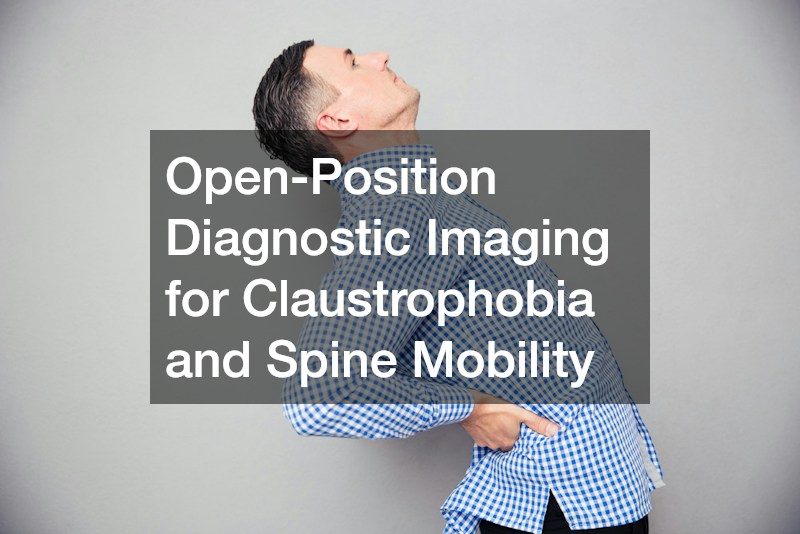
Open-position diagnostic imaging, such as upright MRI tests, tackles specific challenges faced by patients with claustrophobia or those requiring spine evaluations. Unlike traditional MRI machines, upright MRI systems provide maximum comfort and accessibility, allowing patients to be scanned while sitting or standing. This flexibility is particularly advantageous for patients unable to be positioned comfortably in standard MRI units.
Upright MRI tests have transformed how medical professionals diagnose and evaluate conditions related to spine mobility, offering clearer insights and more accurate images. This technology alleviates the anxiety associated with conventional MRI scans, as patients are not confined within a narrow tube, mitigating claustrophobic sensations. These diagnostics enable a comprehensive exploration of the spine in natural, weight-bearing positions, opening new avenues in musculoskeletal assessment. Such advancements illustrate the ongoing shift towards patient-friendly technologies that also maintain diagnostic integrity.
The impact of upright MRI imaging is significant, improving diagnosis accuracy rates for conditions that were previously difficult to analyze. As more healthcare facilities adopt this technology, patient accessibility to advanced diagnostics increases, catering to diverse needs within clinical settings. The emergence of upright MRI technology continues to promote better patient experiences and outcomes in the realm of diagnostic imaging.
Outpatient Rehabilitation and Guided Physical Recovery
The advancement of outpatient rehabilitation services in PT clinics has been instrumental in patient recovery journeys. At the heart of these services is the goal of providing structured, individualized rehabilitative care that facilitates a return to daily activities with improved physical function. These clinics focus on restoring movement and function following surgeries, injuries, or illness. In doing so, they not only address immediate recovery needs but also aim to sustain long-term physical health.
PT clinics employ an array of therapeutic modalities, including strength training, manual therapy, and neuromuscular reeducation. Therapists work closely with patients to develop personalized plans aimed at achieving specific recovery goals. This patient-centered approach to rehabilitation empowers patients, equipping them with tools and skills necessary for long-term recovery and maintenance.
Rehabilitation services contribute significantly to our healthcare system, reducing reliance on invasive procedures and improving quality of life for countless individuals. Continued advancements in therapy equipment and techniques enable more effective interventions, driving positive outcomes that encourage sustained patient engagement in active health management.
Long-Term Wellness and Assisted Living Support for Older Adults
As the population ages, the demand for senior care services that encompass an array of medical and lifestyle support solutions has grown. Senior care facilities cater to the unique needs of older adults, providing an environment where wellness and safety are prioritized, promoting independence and quality of life. These facilities continuously adapt to evolving geriatric needs, ensuring comprehensive support tailored to enhance the daily lives of seniors.
Assisted living amenities offer a multifaceted approach to elder care, integrating medical, nutritional, and social wellness programs within their offerings. These services not only address common geriatric health concerns but also provide opportunities for engagement and community building among residents. Such well-rounded care fosters a sense of belonging and enhances the life satisfaction of older adults. By nurturing these inclusive spaces, assisted living homes significantly uplift the overall well-being of their residents.
Senior care focuses extensively on preventive measures and treatment of chronic conditions that commonly affect the elderly. By emphasizing holistic health strategies, these facilities aim to manage health proactively, mitigating the progression of age-related diseases, and enhancing functional abilities. This preventative approach empowers seniors to enjoy a higher quality of life, underscoring a commitment to person-centered care.
Walk-In Urgent Medical Centers for Non-Life-Threatening Illnesses
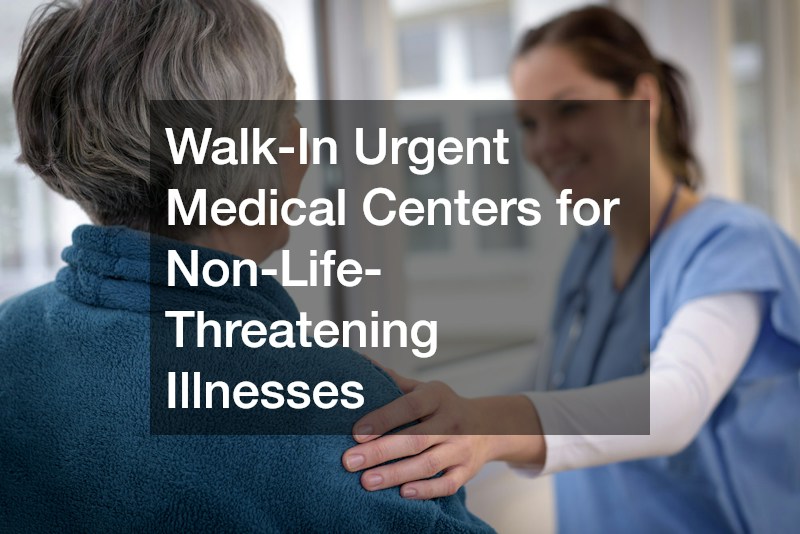
Local instacare facilities have become invaluable resources for individuals seeking walk-in medical attention for non-life-threatening conditions. These centers bridge a crucial gap in the healthcare system by providing immediate care for illnesses and injuries that need prompt attention but do not warrant emergency room visits, such as minor cuts, sprains, or ear infections. Their role diminishes unnecessary strain on emergency rooms, aiming for efficient and effective healthcare access.
The convenience of local instacare services lies in their accessibility without the need for appointments, allowing patients to seek timely medical interventions. Staffed by qualified healthcare professionals, these centers offer a range of services including diagnostics, treatment, and preventive care which contribute significantly to community health.
Instacare facilities are tailored to deliver efficient and effective medical services, minimizing wait times and enhancing patient satisfaction. Their presence in communities supports broader public health objectives by reducing the strain on emergency departments and promoting better patient flow within healthcare networks.
Whole-Body Preventive Medicine and Lifestyle Integration
Holistic health approaches represent a shift in medical practice towards preventive medicine and comprehensive lifestyle care. Holistic interventions focus on treating the whole person—considering physical, mental, and social factors—rather than just symptoms of disease. This integration underscores a commitment to long-term wellness and disease prevention. By addressing all aspects of individual health, these approaches encourage a holistic view of well-being.
Embracing holistic health means incorporating a variety of therapeutic practices that may include nutrition counseling, stress management, physical activity, and integrative therapies. This approach is built upon evidence-based strategies that empower individuals to take an active role in maintaining their health through educated lifestyle choices.
The benefits of holistic health practices are vast, from reducing the risk of chronic disease to improving mental health outcomes and enhancing overall life satisfaction. This model of care encourages sustainable health practices and supports patients on their journey to achieving balanced and healthful living. The holistic framework redefines preventive care, broadening the scope of methods used to enhance whole-person health.
Permanent Tooth Replacement and Restorative Jaw Solutions
Dental implant procedures are at the forefront of restorative dentistry, offering permanent solutions to tooth loss. Implants provide a strong foundation for replacement teeth, enabling wearers to enjoy restored smile aesthetics and functionality. This advancement in dental care not only addresses cosmetic concerns but also supports oral health and overall well-being. Such innovations in dental restoration have profoundly influenced outcomes for patients experiencing tooth loss.
A key factor in the success of dental implant procedures is the ability to customize treatment plans to individual patient needs. Advances in imaging and surgical techniques have made it possible to achieve precision in implant placement, providing predictable and durable outcomes. This tailored approach reduces recovery time and enhances the long-term stability of dental prostheses.
Restorative jaw solutions like dental implants contribute significantly to lifestyle improvements, from enhancing speech and improving chewing efficiency to boosting self-esteem. Continued innovations in dental materials and techniques ensure that implants are a viable option for a growing number of patients seeking permanent dental restoration. This demonstrates the ongoing dedication to fostering improved quality of life through advanced dental care strategies.
Daily Blood Sugar Monitoring and Long-Term Endocrine Care

Effective diabetes management requires both consistent monitoring and comprehensive endocrine care to prevent complications associated with fluctuating blood sugar levels. Monitoring devices have become increasingly sophisticated, offering patients and healthcare providers accurate and real-time glucose readings, which are crucial for timely intervention and adjustment of treatment plans.
Patients with diabetes benefit from individualized care plans that encompass education, medication, lifestyle modification, and regular monitoring. This holistic management strategy aims to maintain glycemic control, mitigate adverse events, and reduce the risk of cardiovascular disease—a common concern in diabetic populations. This comprehensive approach ensures that diabetes care is adaptable and aligned with patient needs.
Long-term endocrine care focuses on supporting patients in achieving metabolic balance, involving regular follow-ups and adjustments to therapeutic regimens. As technology and treatment options continue to evolve, diabetes management remains at the forefront of endocrine research, offering hope for sustained improvements in health outcomes.
In conclusion, the healthcare landscape is continually shaped by the development and integration of diverse medical solutions catered for the evolving needs of patients. From aesthetic enhancements to critical interventional surgeries, these advances demonstrate a collective commitment to enhancing patient care and well-being. Whether contributing to immediate symptomatic relief or facilitating long-term wellness, each of these medical and healthcare practices underscores an overarching aim of achieving optimal health outcomes. As our understanding deepens and technologies advance, these innovations reflect the ongoing pursuit of excellence in healthcare—ushering in an era where comprehensive, patient-centered care is accessible to all. Through continuous learning, adaptation, and application of these medical innovations, healthcare providers are better equipped to meet the demands of modern-day patient care with both proficiency and compassion. The trajectory of healthcare is directed towards leveraging cutting-edge science and empathetic practice to pave the way for a healthier future for communities worldwide.