
The environment inside a residence plays a profound role in daily wellness, often in ways that remain unnoticed until physical symptoms emerge. While many people attribute frequent headaches, respiratory irritation, fatigue, or persistent allergies to seasonal changes or stress, the true underlying cause may be hidden within the walls, air ducts, plumbing, or heating systems of their living space. A residence functions as an interconnected ecosystem where physical structural components, air quality, water purity, and environmental hazards directly interface with biological health.
When structural issues or deferred maintenance occur, the domestic environment can transform from a safe haven into a source of chronic environmental stressors. Understanding these biological and structural connections allows individuals to identify potential hazards early, take appropriate preventative measures, and transform their indoor surroundings into a space that actively supports physical health, mental clarity, and overall vital well-being.
Indoor Environmental Quality and Environmental Stressors
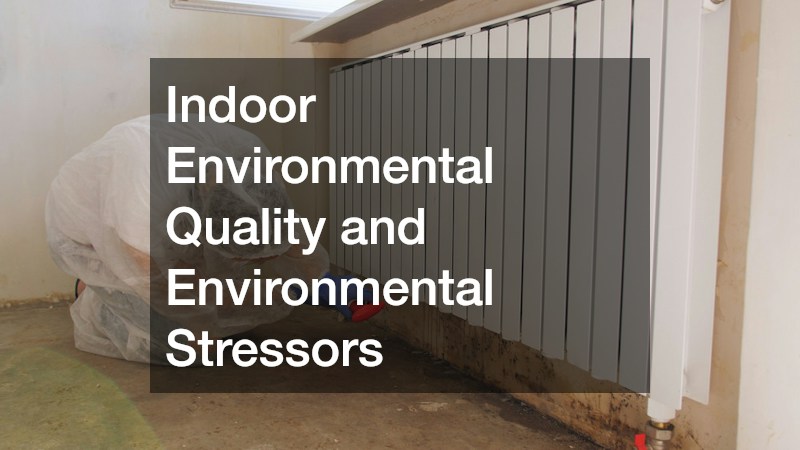
Indoor environmental quality encompasses the air breathed, the surfaces touched, and the invisible airborne particles circulating throughout a living space. Because modern residences are designed to be tightly sealed for energy efficiency, indoor pollutants can accumulate to concentration levels significantly higher than those found outdoors. Addressing these invisible stressors requires a clear understanding of where hazards originate and how they migrate through a building.
Identifying Hazardous Materials in Older Structures
Residences constructed before modern material regulations often contain legacy building materials that pose severe risks when disturbed during renovations, repairs, or gradual deterioration. Friable materials can break down into microscopic fibers that linger in the air indefinitely, posing a severe hazard when inhaled into human lung tissue. Homes built prior to the late 1970s frequently incorporated these heat-resistant fibers into insulation, floor tiles, textured paint, and pipe covering.
Before disturbing old building materials during a home improvement project, property owners should secure professional asbestos testing to evaluate the risk and prevent microscopic fiber release into living areas. Leaving hazardous insulation or textured surfaces intact is generally safer than haphazard removal, as improper handling causes friable particles to become airborne and disperse through HVAC ductwork.
Managing Toxic Chemical Off-Gassing
Volatile organic compounds are gaseous chemicals emitted from common household products, including synthetic flooring, adhesives, furnishings, and traditional wall coatings. These airborne chemicals can cause acute irritation to the eyes, nose, and throat, while prolonged exposure has been linked to persistent headaches, neurological symptoms, and long-term health complications. Choosing products formulated with zero or low volatile organic compounds minimizes chemical off-gassing indoors.
When updating interior walls or trim, homeowners should request low-VOC or zero-VOC formulations from interior painting services to protect indoor air quality during and after application. Allowing freshly painted rooms to cure with active cross-ventilation for several days ensures that residual chemical fumes fully dissipate before the space is reoccupied for sleeping or daily activities.
Mitigating Bio-Aerosols and Particulate Accumulation
Fine particulate matter accumulates silently on elevated surfaces, soft textiles, and concealed architectural ledges. When stirred by foot traffic or draft currents, these microscopic particles remain suspended in the breathing zone for hours. Ambient dust serves as a carrier vector for bacterial fragments, chemical residues, viral particles, and micro-plastics that penetrate deeply into bronchial passages.
Installing high-efficiency media air cleaners directly into forced-air return ducts helps capture floating particles before they recirculate. Vacuuming sealed carpeting with double-lined HEPA filtration units twice weekly prevents trapped particulates from re-entering indoor air currents.
Moisture Intrusion and Biological Contaminants
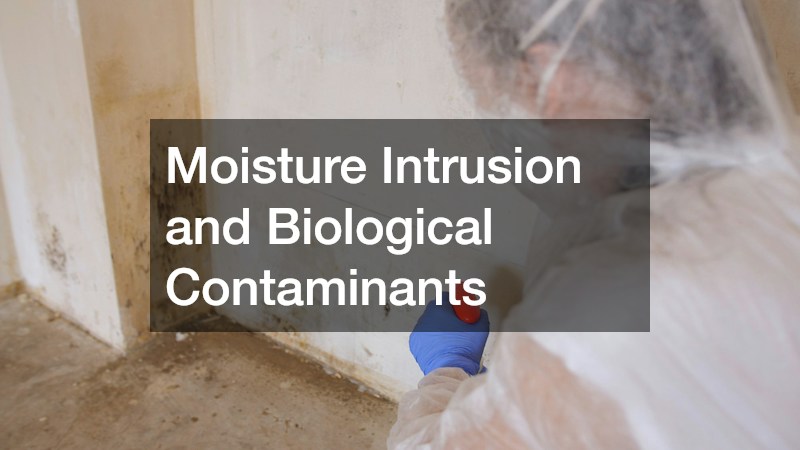
Moisture control is the single most critical factor in maintaining a healthy indoor environment. Excess humidity or standing liquid provides the precise conditions necessary for biological contaminants, including fungi, bacteria, and dust mites, to proliferate rapidly throughout structural elements.
Addressing Hidden Fungal Growth
When water infiltrates structural materials, fungal spores germinate within 24 to 48 hours, spreading unseen behind drywall, beneath carpeting, and inside subfloors. Fungal colonies release airborne spores, fragments, and mycotoxins that can trigger severe allergic reactions, chronic sinus infections, severe asthma flare-ups, and systemic inflammatory responses in sensitive individuals.
When fungal growth covers an area larger than ten square feet or invades structural cavities, property owners must hire certified professionals specializing in mold remediation to safely contain and eliminate the biohazard. Attempting to scrub large fungal colonies with household bleach often spreads spores further into the air while failing to kill the deeply rooted fungal structures penetrating porous drywall or wooden studs.
Responding Swiftly to Severe Water Intrusions
Sewer backups, burst plumbing lines, or torrential storm flooding introduce substantial volumes of contaminated water into a building, creating an immediate health hazard. Category two and three water types contain dangerous pathogens, bacteria, and organic waste that contaminate porous building materials instantly.
In cases of sudden flooding, property owners should immediately contact a qualified water damage restoration service to extract liquid, install commercial dehumidifiers, and salvage structural framing before irreversible decay occurs. Prompt structural drying within the first day dramatically reduces the likelihood of secondary fungal contamination and structural compromise.
Regulating Indoor Relative Humidity Limits
Maintaining relative humidity levels below fifty percent prevents dust mite populations from multiplying inside mattresses, upholstery, and area rugs. Elevated humidity levels also create micro-climates on cold outer walls where invisible condensation turns into localized microbial growth behind hanging artwork or large furniture pieces.
Using continuous-drain dehumidifiers in basements, crawlspaces, and unconditioned zones stabilizes ambient moisture levels throughout changing seasonal transitions. Installing digital hygrometers in primary living areas gives occupants real-time visibility into moisture fluctuations so corrective actions can occur immediately.
Heating Systems, Combustion Hazards, and Ventilation
Combustion appliances and heating equipment provide essential warmth, but they also generate dangerous airborne byproducts if they are improperly maintained, inadequately vented, or damaged over time. Ensuring that heating and combustion infrastructure functions safely is crucial for preventing acute poisoning and chronic respiratory ailments.
Maintaining Clean and Safe Exhaust Flues
Fireplaces and fuel-burning stoves vent toxic exhaust gases, soot, and flammable byproducts upward through the flue. Over time, creosote—a highly flammable byproduct of wood combustion—builds up on flue walls, posing a serious chimney fire risk while obstructing proper drafting. Blocked flues force carbon monoxide, fine particulate matter, and dangerous combustion byproducts backward into living spaces.
Property owners should schedule annual chimney sweeping every autumn before using fireplaces to clear creosote buildup, animal nests, and debris from flues. Installing a mesh flue cap prevents birds and small animals from nesting inside exhaust pathways, ensuring unhindered airflow for combustion gases.
Ensuring Safe Operation of Fuel Storage and Lines
Heating systems powered by fuel gas or pressurized fuel offer powerful thermal energy, but they carry distinct safety considerations. Fuel leaks pose catastrophic risk of fire or explosion, while improper burner adjustments cause incomplete combustion, yielding dangerous carbon monoxide gas.
Homeowners utilizing pressurized fuel tanks must arrange routine safety inspections for storage units, pressure regulators, and fuel delivery lines when using propane for heating or cooking appliances. Installing explosive gas detectors near gas-burning equipment offers an early warning system against dangerous gas leaks before concentration levels reach flammable limits.
Optimizing Forced-Air System Efficiency and Safety
Forced-air furnaces circulate air through every room in a home, making them a primary driver of indoor air quality. Cracked heat exchangers, dirty burners, and clogged filters compromise thermal efficiency while introducing carbon monoxide and airborne dust into the breathing zone.
Homeowners should establish a preventative maintenance contract with licensed furnace contractors to inspect heat exchangers, clear burner assemblies, and verify system venting annually. Upgrading HVAC filtration to pleated high-efficiency filters traps fine particulates, pollen, and pet dander before they circulate through the ductwork.
Water Purity, Plumbing Maintenance, and Environmental Restoration
Water is consumed, bathed in, and used for food preparation daily, making water quality a primary pillar of domestic health. At the same time, maintaining the physical integrity of plumbing systems and structural elements protects living spaces from continuous environmental hazards.
Enhancing Potable Water Quality
Municipal and well water supplies often contain dissolved minerals, residual chlorine, heavy metals, industrial runoff, or microplastics. Consuming or bathing in contaminated water can lead to gastrointestinal distress, skin irritation, and long-term toxic accumulation in body tissues.
Installing targeted water filtration systems at point-of-entry or point-of-use locations removes dangerous heavy metals, volatile chemicals, and sediment from drinking and bathing supplies. Testing household tap water annually at a certified laboratory helps property owners choose the correct filtration technology, such as reverse osmosis or activated carbon media, for their specific water profile.
Preventing Scalding Risks and Water Contamination
Water heating appliances operate continuously under pressure, making them vulnerable to sediment buildup, corrosion, valve failures, and microbial contamination if neglected. Setting heating tanks below 120 degrees Fahrenheit invites Legionella bacterial growth inside the tank, whereas setting temperatures excessively high creates severe scalding hazards.
Homeowners should arrange timely water heater repairs whenever they notice rust-colored tap water, unusual rumbling sounds from sediment accumulation, or temperature fluctuations. Flushing the water tank annually eliminates mineral sediment, preserves heating element efficiency, and extends the operational lifespan of the appliance.
Rebuilding After Major Structural or Environmental Crises
When a residence suffers catastrophic damage from storms, fires, widespread water contamination, or long-term neglect, comprehensive structural repair is necessary to render the space safe for human habitation. Leaving structural damage unaddressed invites pest infestations, chronic moisture intrusion, and severe air quality degradation.
Following major physical disasters, homeowners should partner with certified specialists in home restoration to repair structural framing, replace contaminated insulation, and restore healthy indoor environmental standards. Ensuring that all rebuild processes prioritize non-toxic materials, correct moisture barriers, and updated ventilation systems prevents future indoor health crises.
Preserving Foundation and Envelope Integrity
Cracks in foundation slabs, unsealed crawlspaces, and deteriorating exterior envelope joints allow soil gases like radon to migrate upwards into primary living spaces. Soil gas exposure is an odorless, colorless hazard that represents a major cause of respiratory illness in non-smokers over extended timeframes.
Sealing foundation penetrations with expanding polyurethane elastomers blocks entry pathways for soil gas and sub-surface dampness. Installing active sub-slab depressurization fans venting above the roofline continuously draws sub-grade gases away from the structure before ingress occurs.
Actionable Strategies for Creating a Healthy Living Space
Proactively managing a living space requires an organized approach combining seasonal routine maintenance, targeted professional inspections, and conscious material choice. Implementing practical steps empowers residents to eliminate environmental hazards before they cause acute health symptoms.
Air Quality Improvement Actions
- Install high-efficiency particulate air filters in primary bedrooms to reduce airborne dust mites, pollen, and microscopic irritants during sleep.
- Place dual-sensor carbon monoxide alarms on every floor of the residence, particularly outside sleeping areas and near fuel-burning appliances.
- Maintain indoor relative humidity levels strictly between 30 and 50 percent using central or portable dehumidifiers to suppress fungal spore germination.
- Ensure kitchen range hoods and bathroom exhaust fans vent completely outdoors rather than recirculating air into attic spaces or floor joists.
- Operate dedicated air purifiers containing substantial activated carbon beds to continuously adsorb ambient volatile chemical compounds.
Water and Plumbing Protection Actions
- Test drinking water annually for lead, nitrates, bacteria, and heavy metals, particularly if the home relies on private well systems.
- Inspect visible supply lines under sinks, behind washing machines, and around water heaters monthly for early signs of corrosion or slow leaks.
- Drain several gallons of water from the water heater drain valve annually to clear accumulated mineral sediment from the bottom of the tank.
- Insulate exposed cold water pipes in unconditioned spaces to prevent condensation dripping into floor joists during humid summer months.
- Replace standard flexible rubber appliance supply hoses with braided stainless steel lines to prevent sudden line ruptures.
Structural and Fire Safety Actions
- Inspect roof shingles, gutters, and downspouts twice per year to ensure rainwater diverts at least six feet away from the foundation.
- Verify that fuel storage tanks and gas line connections meet current fire safety codes and remain clear of flammable vegetation.
- Clear fireplace flues of creosote and install sturdy flue caps to prevent debris blockage and draft restrictions.
- Test built-in safety valves on pressure vessels and heating equipment annually to confirm emergency pressure release functionality.
- Seal perimeter expansion joints and exterior masonry gaps annually to exclude moisture, pest entry, and soil gas infiltration.
Cultivating Long-Term Wellness Through Domestic Care
The relationship between living space conditions and human health is direct, continuous, and profound. Environmental stressors that originate within walls, HVAC ducts, plumbing lines, or fuel systems can quietly compromise physical health over time. By recognizing these intricate home-health connections, property owners shift their perspective from reactive maintenance to proactive wellness management.
Investing time and resources into proper ventilation, moisture control, clean water delivery, and hazardous material containment yields immediate benefits in daily vitality, sleep quality, and respiratory comfort. Ultimately, a carefully maintained residence functions as a powerful instrument for preventive medicine, protecting its occupants and serving as a safe, restorative foundation for a healthier life.