Botox, a widely recognized term in cosmetic and medical applications, refers to a prescription medication derived from botulinum toxin. It is primarily used to treat wrinkles and facial creases. When injected in small, controlled amounts, it relaxes muscles by blocking nerve signals, which in turn reduces the appearance of lines and wrinkles.
Botox is typically administered by medical professionals specializing in dermatology or cosmetic surgery, ensuring that dosages and application are safely managed. Its popularity continues to rise as people seek minimally invasive procedures to address signs of aging.
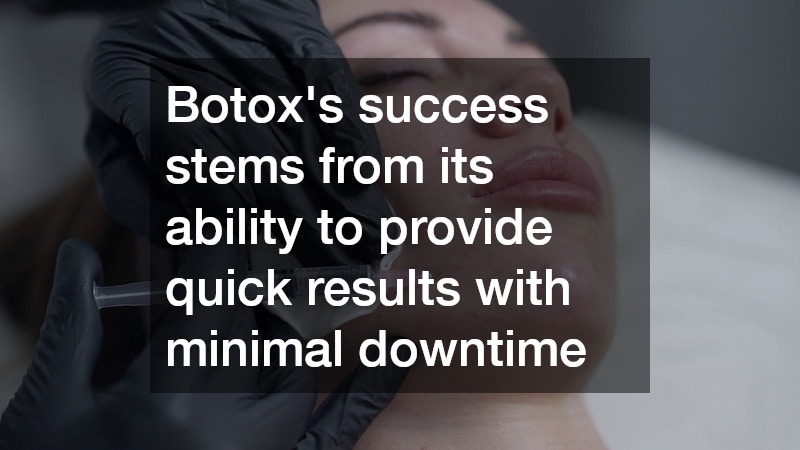
Botox’s success stems from its ability to provide quick results with minimal downtime, making it a preferred choice among many patients. Because it is a minimally invasive procedure, individuals are often able to resume daily activities shortly after treatment. The effects of Botox generally last between three and six months, after which follow-up treatments are necessary to maintain results. Its temporary nature allows for tailoring treatments over time, catering to the evolving needs and preferences of individuals. As a result, Botox has become synonymous with facial rejuvenation, offering a dynamic approach to combating the effects of aging.
The Procedure of Botox Application
The procedure for administering Botox is relatively straightforward, but it requires precision and expertise. Prior to the injection, a consultation with a certified professional is essential to discuss the goals and expectations of the treatment. During this session, patients are advised about any potential side effects, and their medical history is reviewed to mitigate risks. The actual injection process is quick, often completed within a few minutes, depending on the areas being treated. Qualified practitioners are adept at ensuring the optimal dosage is used to achieve natural-looking results.
After undergoing Botox treatment, patients are given post-care instructions to optimize results and minimize complications. It is recommended to avoid lying down or rubbing the treated area for several hours following the procedure. Patients should also refrain from strenuous activities and exposure to excessive heat on the day of treatment to prevent the toxin from spreading beyond the targeted areas. Follow-up appointments may be scheduled to assess the outcomes and decide on future treatments. Understanding and adhering to these guidelines ensures that patients can enjoy the full benefits of Botox while maintaining a smooth recovery process.
Potential Risks and Side Effects
Like any medical procedure, Botox injections carry potential risks and side effects, although they are typically minor and temporary. Common side effects include swelling, bruising, and redness at the injection site, which usually resolve within a few days. Some individuals may experience mild headaches or flu-like symptoms post-treatment, both of which tend to be short-lived. Allergic reactions, such as rash or itching, can occur but are rare. Engaging with a qualified practitioner significantly reduces the likelihood of such adverse effects, and they are equipped to manage any complications should they arise.
Being informed about the risks associated with Botox enables individuals to make educated decisions regarding their health and aesthetics. Botox’s benefits often far outweigh the potential risks for many people, especially when performed by experienced professionals. Vigilance in choosing a reputable practitioner, coupled with adherence to pre-and-post-treatment care instructions, can significantly enhance the safety and effectiveness of the procedure. Understanding the entire scope of Botox, including both its possibilities and limitations, empowers individuals to take control of their anti-aging journeys. Ultimately, Botox remains a powerful tool in the arsenal of medical aesthetics when administered responsibly.
The Future of Botox
As the field of cosmetic treatments continues to evolve, so too does the future of Botox and its applications. Research and development in botulinum toxin treatments are exploring new methods to expand its use and improve existing applications. Innovations such as longer-lasting formulations and new delivery methods are in development, aiming to further enhance the efficacy and convenience of Botox treatments. Researchers are also investigating the potential for Botox to address a broader range of medical and cosmetic conditions. As these advancements come to fruition, patients can expect more tailored treatments that align with their individual needs.
The acceptance of Botox is growing across different demographics, with increasing numbers of younger individuals and men seeking treatments. This broadening market encourages further competition and innovation within the industry, pushing the boundaries of what Botox can achieve. As societal attitudes towards aging and beauty evolve, Botox is poised to play an even more prominent role in personalized aesthetic care. Emerging technologies like gene editing and bioengineering may open new avenues for Botox applications that were previously thought impossible. The intersection of science, technology, and aesthetics promises an exciting future with more sophisticated and accessible treatment options.
Botox’s journey from a niche product to a mainstream cosmetic procedure reflects its enduring appeal and effectiveness. As research and clinical trials continue, Botox is likely to become even more entrenched in both medical and aesthetic fields. Advancements in safety protocols and treatment customization are expected to further reduce risks while maximizing benefits. For patients, the future of Botox means greater choices and enhanced results, backed by science and innovation. Ultimately, staying informed and connected with advancements in the Botox industry will empower individuals to make the most of these developments in their pursuit of beauty and wellness.